
Loading page.
Writing / College / Leadership / 3 min read
Student leadership became one of the places where I learned how systems affect people. Through records, documentation, events, technical support, and organization work, I learned that leadership is service, accountability, and delivery.
By Jerine S. Acebes
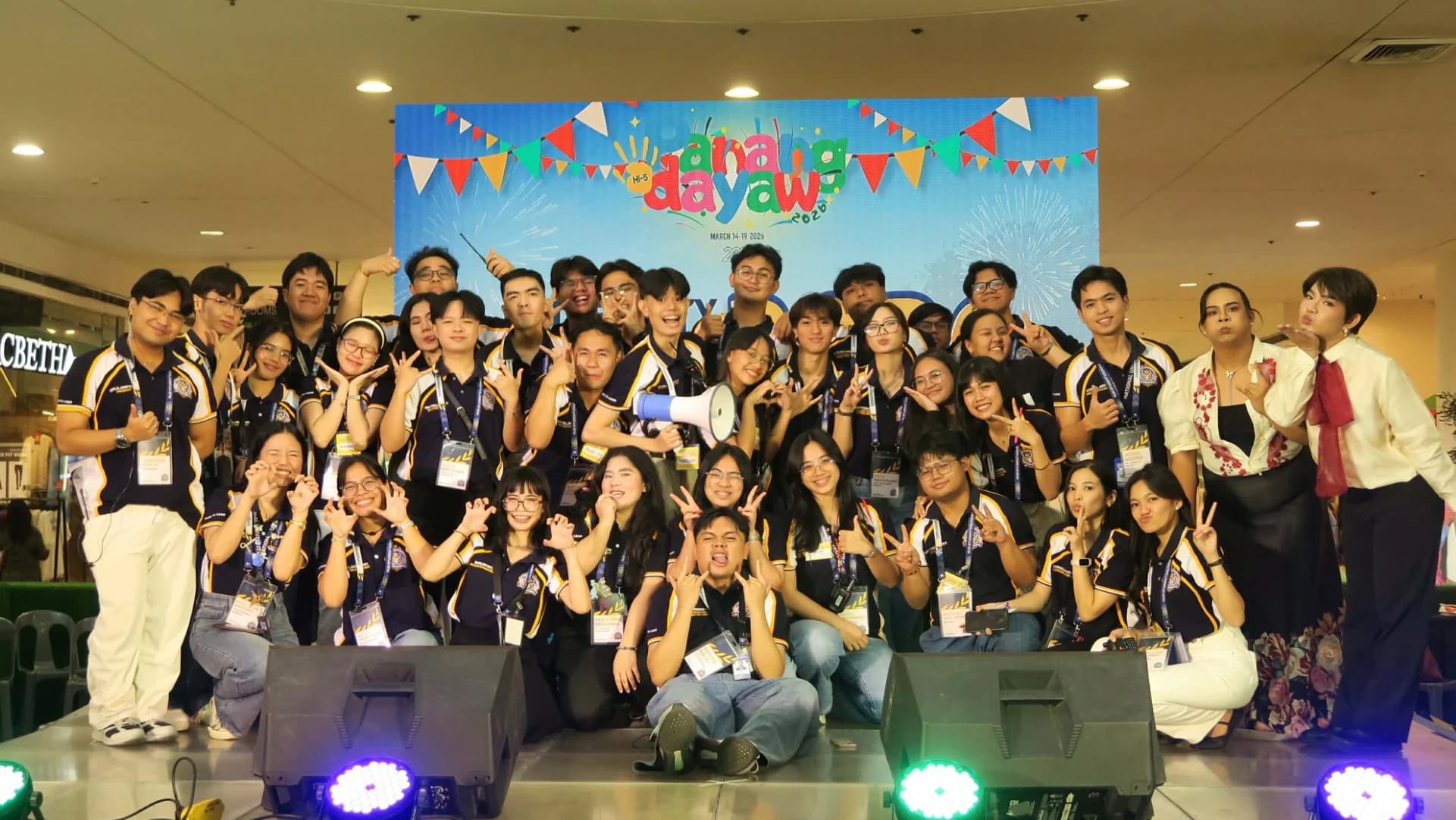
Student leadership taught me that systems are not only built with code. They also exist in records, meetings, events, requests, files, approvals, messages, and the way people depend on each other to get work done. Before a process becomes software, it often starts as a responsibility someone has to carry carefully.
One of the roles that shaped this lesson most was my work as Director of Records in NUD Student Government, the highest governing student body in my university. The role placed me close to documentation, official records, minutes, request workflows, file organization, templates, and information that other people needed to access and trust.
At first glance, records can look like simple administrative work. In reality, records are part of the organization's memory. They show what was decided, what was requested, what was approved, what happened, and what still needs attention. If records are unclear, people lose context. If files are scattered, work slows down. If documentation is weak, trust becomes harder to maintain.
That is why the role taught me more than paperwork. It taught me accountability. When people depend on a document, a request, a file, or a decision history, accuracy matters. The work has to be clear enough for someone else to understand later, even when the event is over or the people involved have moved on to another responsibility.
The work also went beyond the title. In student government, I carried responsibilities connected to events, coordination, documentation, and support work that helped the organization operate. In other organizations, including Computer Society, JPCS, ComEx Brigade, PEER Facilitators, and JBEC, I served in committee, representative, and technical roles that exposed me to different kinds of operational pressure.
Across those roles, I saw the same pattern repeat: people usually do not need more noise; they need clearer systems. They need files that are easy to find, updates that are easy to understand, event processes that are not dependent on memory, and technical tools that reduce repeated manual work.
Because of my technical background, I often found myself improving the technology side of organization work. Sometimes that meant helping with event technicals, livestream operations, forms, files, templates, documentation workflows, or small process improvements. The work was not always flashy, but it made operations easier for the people who had to execute them.
Student leadership also taught me the importance of boundaries. Organization work can be meaningful, but it can also expand quickly if every problem becomes your responsibility. I had to balance org roles with academics, software projects, capstone work, research, certifications, competitions, and personal goals. Service matters, but service without boundaries can become unsustainable.
The most valuable organization experience is not the title. It is the output and the responsibility behind it. A role becomes meaningful when you can point to what improved because of your work: a clearer record system, a better event process, a reusable template, a technical fix, a documented workflow, or a team that moved with less confusion.
That is also why student leaders should document their own work. Not for vanity, but for clarity. Write down what problem existed, what you were responsible for, what constraints you faced, what you changed, and what result followed. That habit turns leadership experience into evidence of execution.
Leadership also made software more human for me. When I build systems now, I think about the people who will depend on the record, wait for the approval, follow the process, read the update, or explain the outcome to someone else. A system is not successful only because it works technically. It is successful when it helps people coordinate, decide, and serve with more trust.
Student organizations can teach real leadership when the work is tied to service, accountability, communication, reliability, empathy, and order. That is the real value I took from the experience. It taught me that the best systems are not only efficient. They help people carry responsibility better.