
Loading page.
Java Swing uniform shop for NUD students with admin approval workflow.
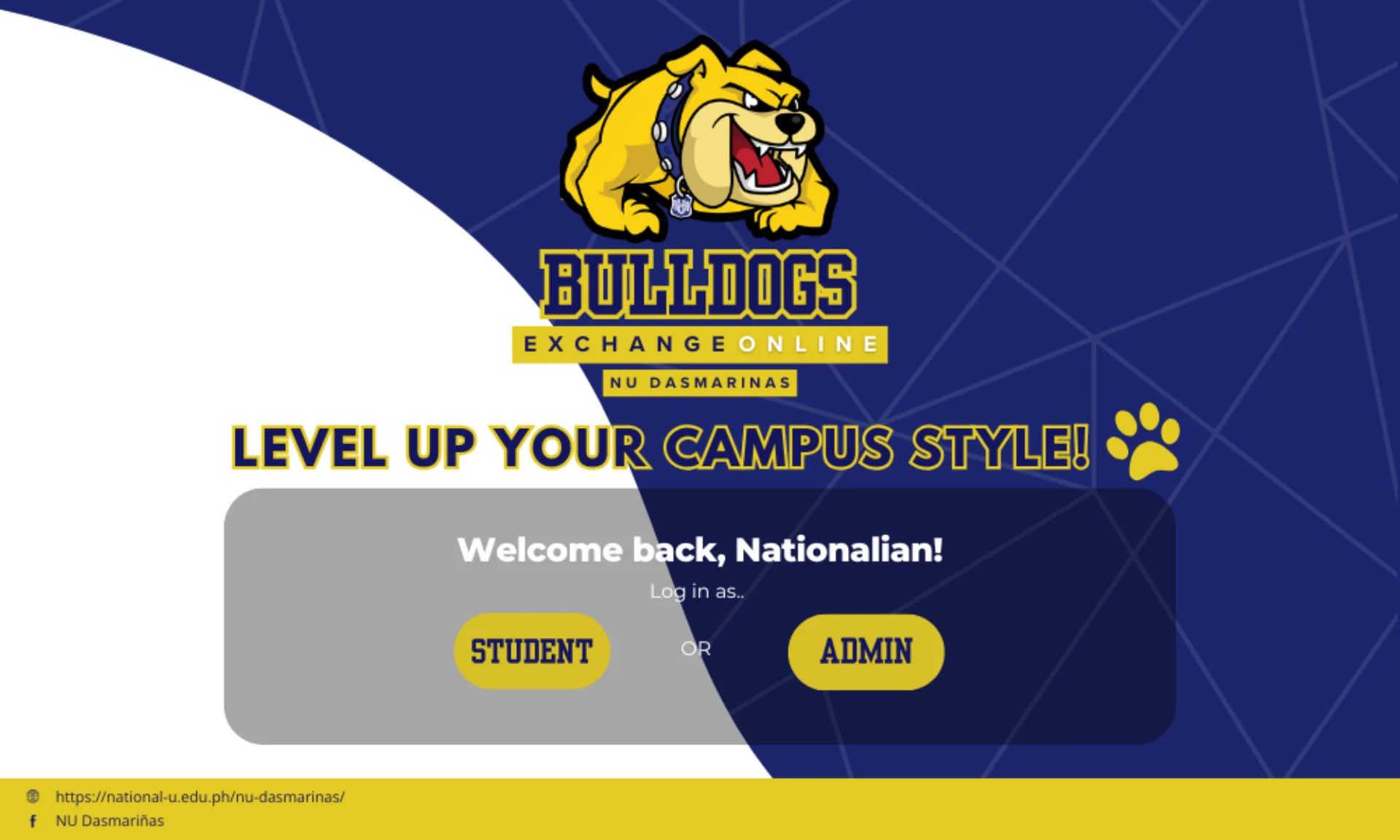
Context
Uniform ordering has rules that ordinary storefront demos often ignore. A student may need to be verified, an order may need approval, and the buyer needs visibility into what happens after checkout. Bulldogs Exchange was built to model that more realistic campus flow.
System behavior
The application uses Java Swing screens and in-memory data structures for products, carts, and orders. Students can browse uniforms, sort products, add items to a cart, and check out after student ID validation.
On the admin side, orders can move through an approval workflow before fulfillment. That structure makes the app more than a basic product list; it becomes a simple operational model for controlled campus purchases.
Technical focus
Because the project was tied to data-structure practice, I focused on keeping product, cart, and order data predictable in memory. The key challenge was translating rules into state transitions: what can be ordered, when an order becomes valid, and how status changes should be reflected to users.
Reflection
The project helped me see how small rules can change an entire interface. A student ID check, an approval step, or a sorting option may look simple, but each one affects how users understand trust, progress, and accountability.